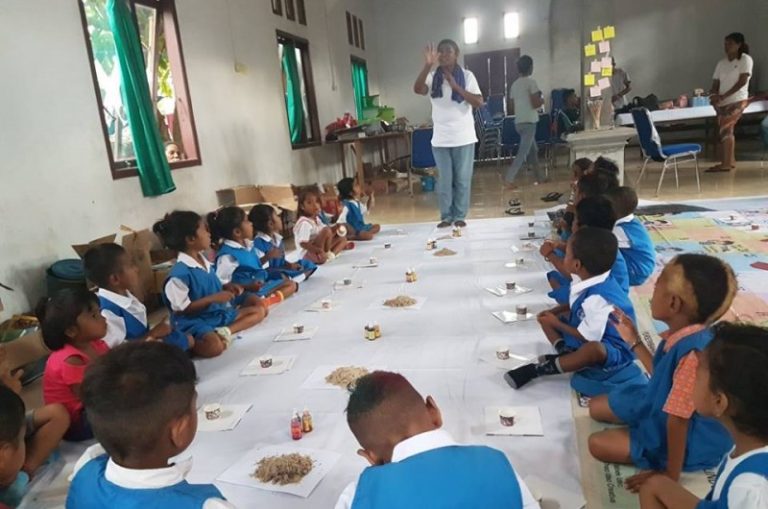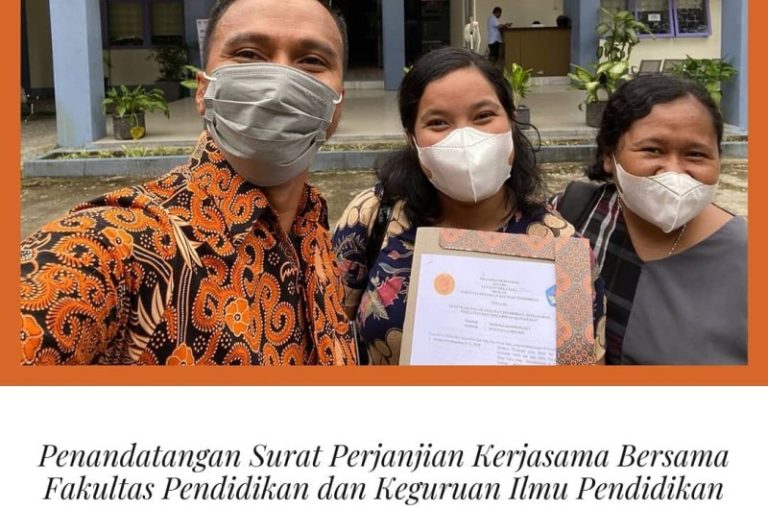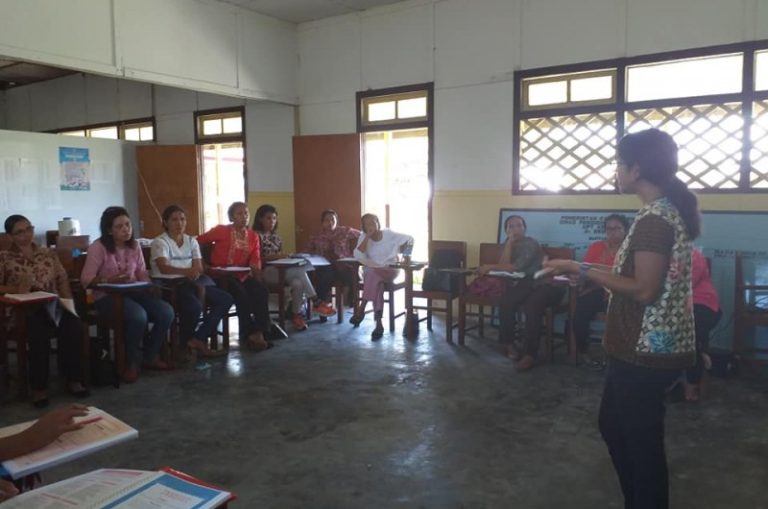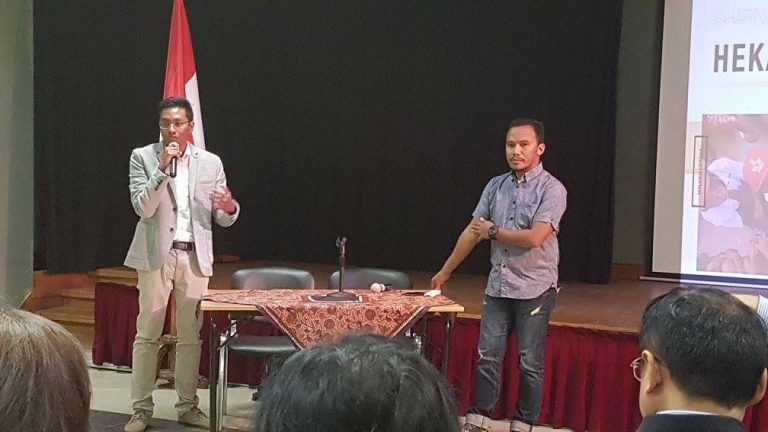
Amidst the Covid-19 pandemic, Heka Leka, with the support of WEA, conducted PAUD teacher training in the South Leitimur sub-district.
Education balance data shows that 90% of early childhood education (PAUD) in Maluku are of low quality due to a lack of qualified teachers and budget constraints. This situation hinders the development of children’s creativity.
This situation has been exacerbated by the COVID-19 pandemic and the serious waste problem in Maluku. Waste pollutes the sea and land, threatening coral reefs and various living creatures.
Heka Leka, with the support of the Women Earth Alliance (WEA), is working to address this challenge. WEA is a global initiative focused on training women to protect and preserve the environment. In early 2021, Heka Leka held training on utilizing natural materials and waste as learning media for PAUD teachers in South Leitimur District.
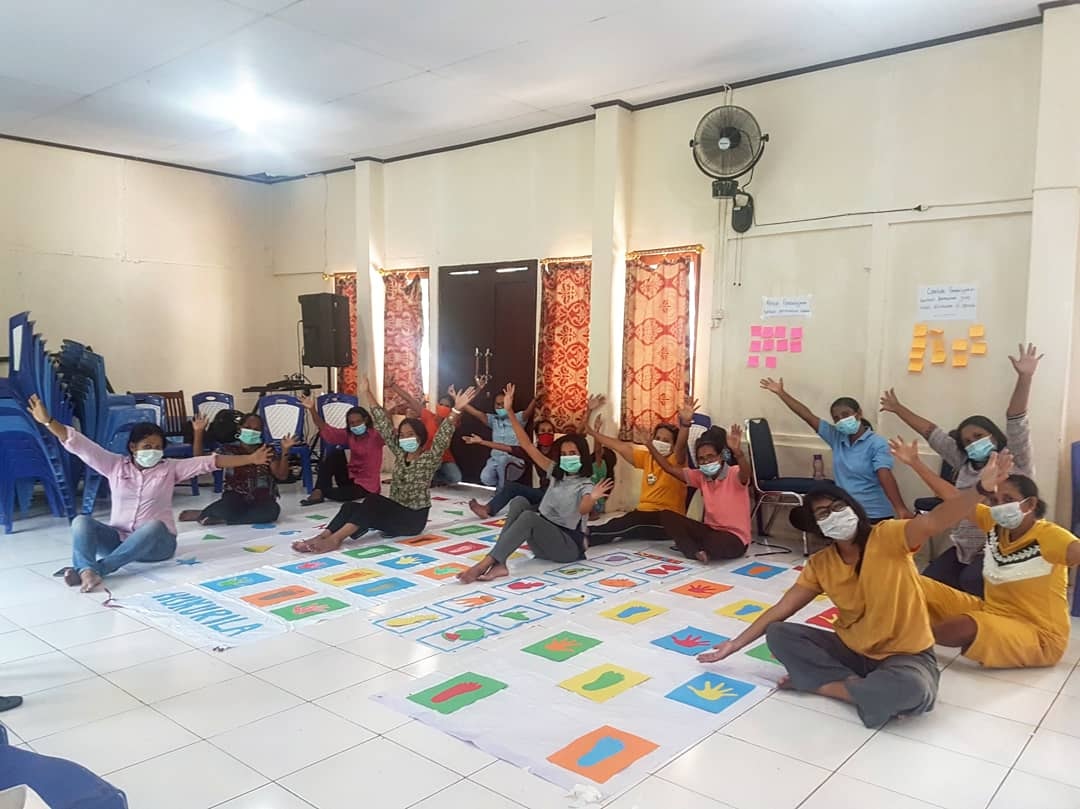
The training, which covered eight villages, was held on January 14–15, 2021, in Hukurila Village and continued on January 26–27, 2021, in Rutong Village. The aim of this training was to introduce and deepen the concept of play-based learning using natural materials. Although this concept is familiar to some PAUD teachers, its implementation has not been routinely and optimally implemented.
Through this training, Heka Leka facilitated teachers in creating enjoyable learning experiences by utilizing natural resources and waste. Various activities were introduced, such as paper recycling, making hopscotch from used banners, sandpits for pre-writing, puppet stages from used cardboard, leaf crafts, and rock painting. All of these activities were deemed highly suitable for implementation in early childhood education (PAUD) classes.
The training was officially opened by Mr. Ricky D. Sopacua, S.Sos., MH, Head of South Leitimur District, and was attended by teachers from Naku, Hukurila, Kilang, and Ema Villages. In his remarks, he praised the activity and emphasized the importance of early childhood education in developing basic reading, writing, and thinking skills as a result of the educational process.
“The early childhood education (PAUD) program focuses on basic reading, writing, and thinking skills. However, these are not the primary goals, but rather the outcomes of the educational process. Therefore, I believe this activity is very positive, and I hope the mothers will participate carefully,” he said.
The training received a positive response from the participants. They considered this activity very beneficial for developing play-based learning methods in their respective schools. Ms. Merry Angkotamony, Head of the Hukurila-Hatalai Early Childhood Education Cluster, expressed her gratitude and noted that the training provided more detail, even though the basic concepts had been introduced previously.
“We sincerely hope that this activity will not stop here, but can continue for the development of our children so they become a reliable generation for the nation and state,” she concluded.
The training in Hukurila Village went smoothly, and the participants hope that Heka Leka can continue holding similar activities in the future to support the development of Early Childhood Education.
This activity will continue in Rutong Village on January 26–27, 2021, with a similar topic.