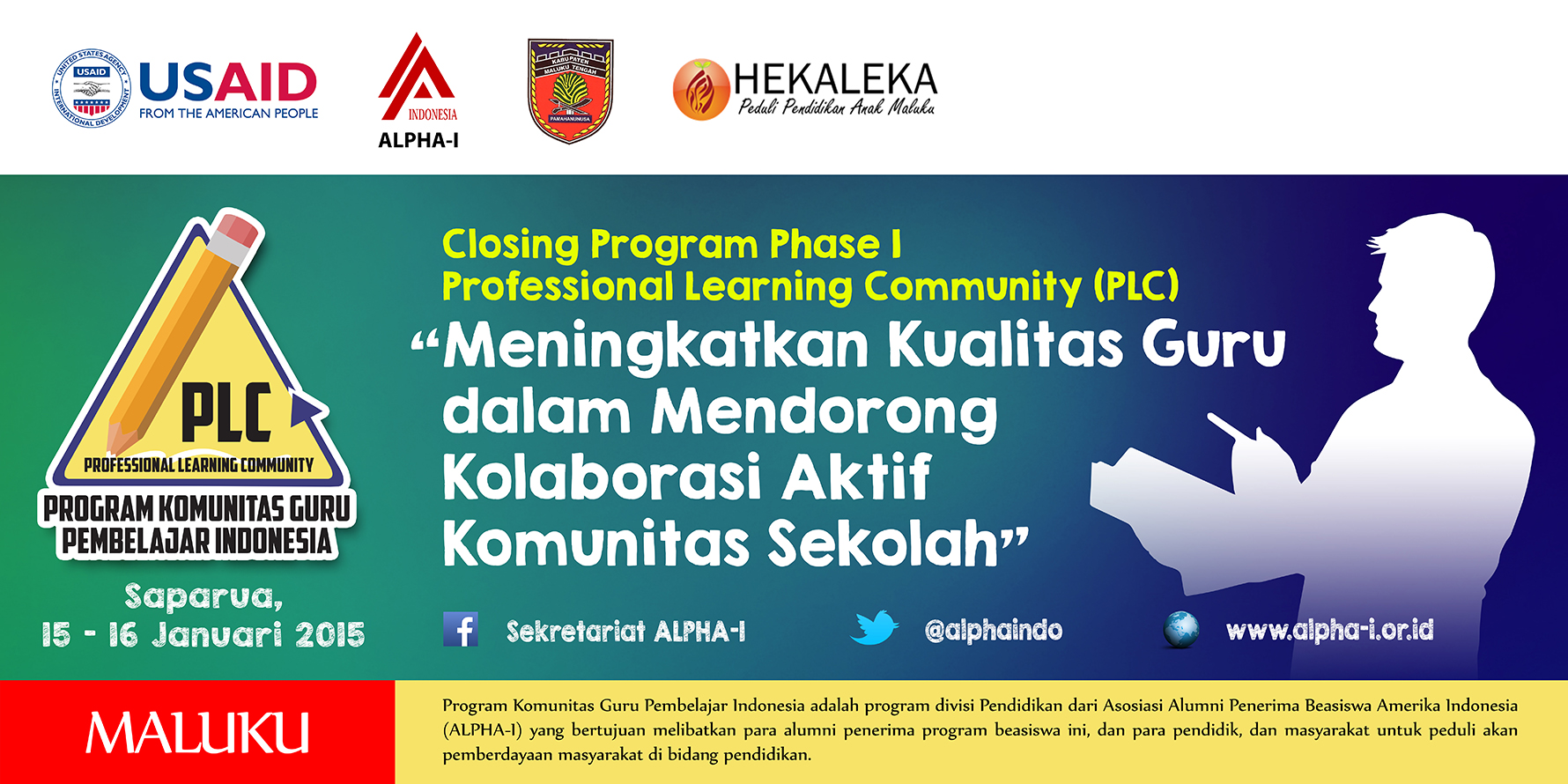
Improving Teacher Quality in Encouraging Active Collaboration of School Communities
Education fundamentally has the task of preparing human resources for development. The pace of development always strives to keep pace with the demands of the changing times. Therefore, it is fitting that these developments are accompanied by developments and changes in educational patterns and systems. The times and changes always give rise to new, previously unseen problems. Some of the obstacles or issues that frequently arise in education in Indonesia are:
– Very low student quality
– Low student participation rates at all levels of secondary education
– Inadequate teaching staff quality
– Inadequate educational policies that have not been optimally implemented
– Insufficient budget for basic education
– Curriculum that does not align with learning needs
Low student quality is a result of the implementation of an education system that still falls short of expectations. One-way learning is still practiced in many schools in Indonesia. It’s understandable that communication problems between teachers and students frequently arise, often resulting in students’ inactivity in the learning process. A 2010 study by the World Bank showed that the Indonesian education system is less successful in improving student performance.
Results from the Trends in International Mathematics and Science Study (TIMSS) showed lower test scores compared to other participating countries. This was found to be due to deficiencies in the internal school system (teacher quality and leadership capacity), which were more influential in contributing to low student achievement than family factors (socioeconomic status).
One commonly used method to improve teacher quality and leadership capacity is through teacher training workshops. However, this is highly cost-intensive. Therefore, a collaborative program between teachers and principals is needed to build the capacity of principals and teachers for the common goal of improving student achievement.
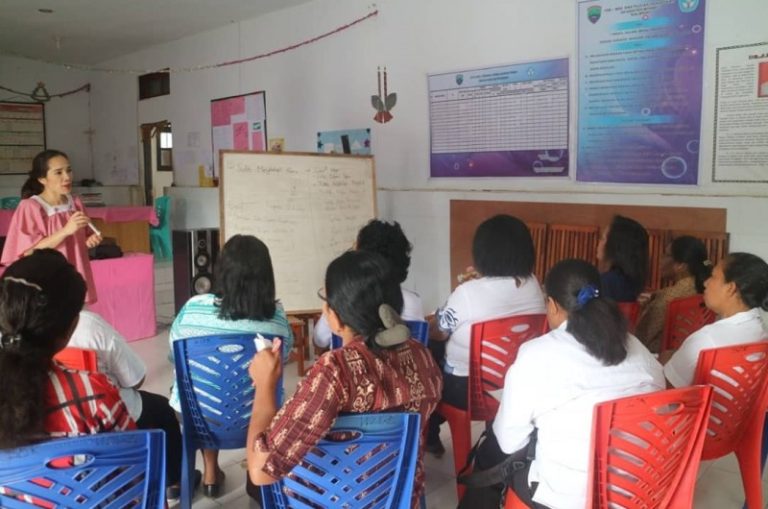
Improving the quality of teachers and principals can be achieved through the development of collaborative Professional Learning Communities (PLCs). This program offers principals and teachers the opportunity to conduct daily or weekly training independently, rather than through workshops.
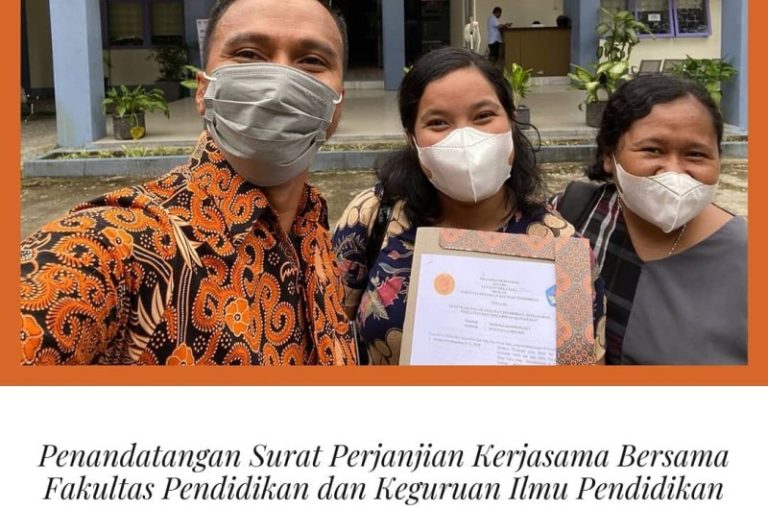
Based on the aforementioned reasons, ALPHA-I, in collaboration with Heka Leka as a Local Partner, felt the need to encourage and explore alternative ways to foster communication and independence in schools in the Saparua region. Through a Community Learning approach, the PLC program aims to engage teachers in more active and interactive communication to improve the teaching and learning process. This communication is expected to improve the quality and achievement of students. The PLC program has now concluded its program period. Several obstacles have emerged in the process of building communication between:
1) Teachers and the institution
2) Teachers and students
3) Teachers and parents
This three-way communication process (triangle communication) is one way to actively involve teachers in communicating their ideas, suggestions, and needs to support school progress. This effort is part of the PLC program’s drive to foster the spirit and leadership of teachers. Over the course of its journey, the PLC program has entered the Value Alignment phase.
This phase fosters openness and communication between teachers and the institution, represented in this case by the principal. The value alignment phase has demonstrated that open communication fosters a high level of responsibility in the teaching and learning process at the school.
Therefore, ALPHA-I intends to conduct a program evaluation and close the first phase in the Saparua region. This is necessary to map the program’s successes and challenges.
Broadly, this activity aims to:
Measure program achievements and challenges encountered during the program’s implementation.
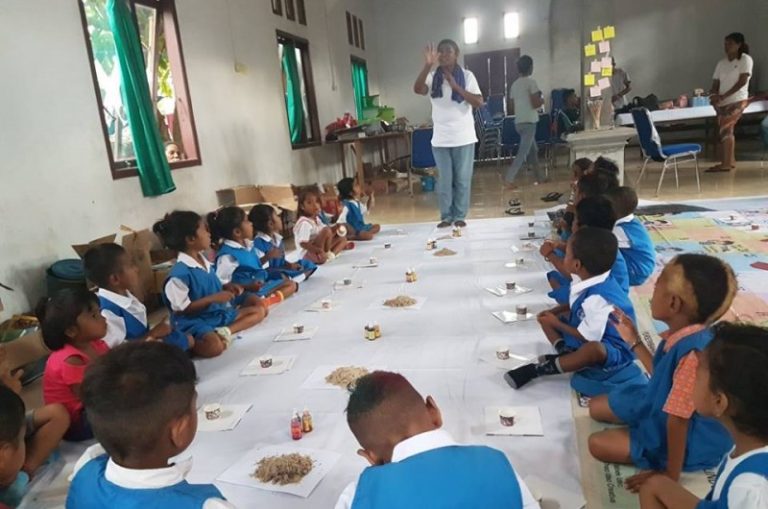
Observe the program’s impact on students.
Encourage local government initiatives to implement the PLC model in a broader region.
Success and Best Regards, Smart Saparua, Smart Maluku.